Clinical Testing
Even the most promising drug candidates can fail in the clinic if the wrong patients are enrolled.
LIDE does not directly support clinical trials but can be a critical component of recruitment strategies. Regulatory approval depends not only on efficacy but on demonstrating that the right patient population has been identified. LIDE has a unique platform to deliver actionable biomarkers for patient stratification and companion diagnostics.
Leveraging patient access across our 100+ hospital translational network, LIDE can design “pre-clinical clinical” studies or companion arms to existing clinical studies to rapidly screen responsiveness in patient tumor cells using our MiniPDX® technology, then conduct OMICS analysis to understand genetic differences between positive and negative responders.
Case Study: Re-Defining the Right Indication
A pharma partner had a candidate compound that showed promise in CDX models for Cancer Type A, with literature suggesting potential across three additional cancer types.
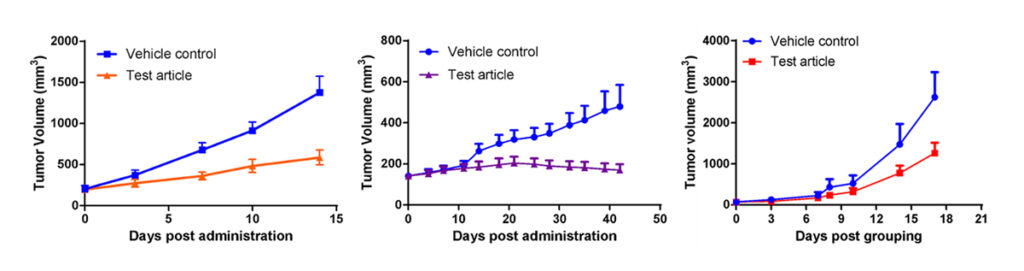
They approached LIDE to leverage our hospital network to conduct a Clinical MiniPDX study using fresh patient samples to validate their clinical approach and target indication. Within 2 weeks, we immediately began recruiting patients and ended up with a 3 step study:
MiniPDX® Indication Screen
- 31 patient samples tested across four cancer types
- ORR = 16.1%, with five positive responders
- No responders in Cancer Type A, the original CDX-based indication
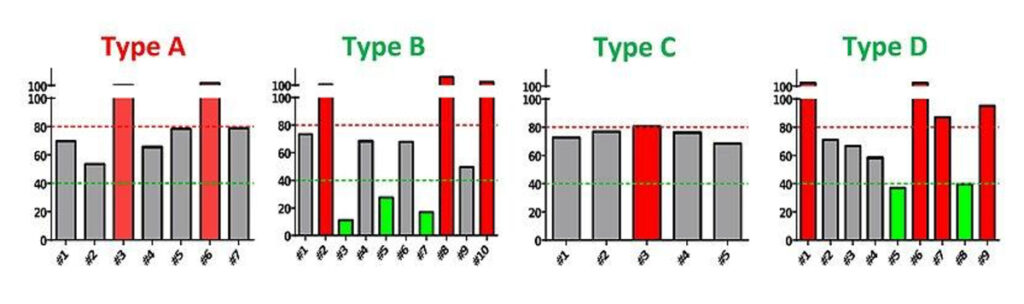
Focused on Indication B
- Expanded cohort in Cancer Type B (20 samples tested)
- ORR = 35%, exceeding benchmarks often used in IND-enabling PDX studies
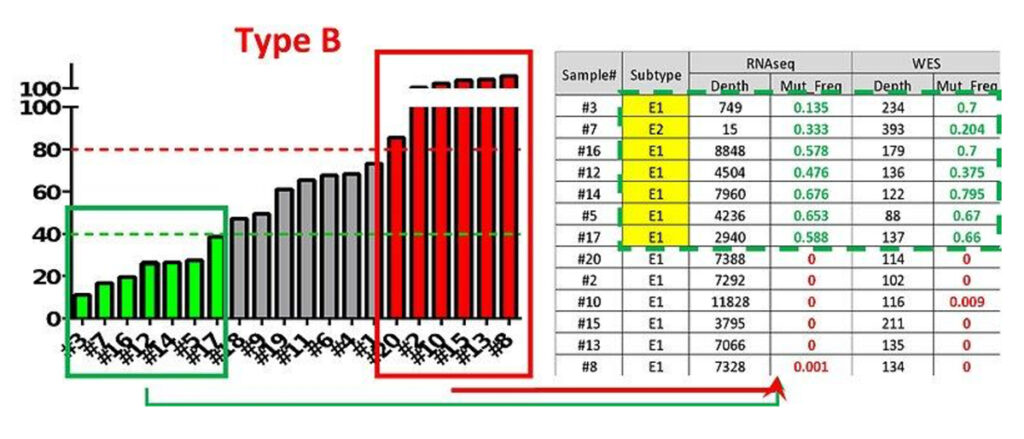
Biomarker Discovery
- Positive vs. negative responders analyzed with OncoVee™ K-cell and LIDE OMICS
- Identified downstream mutations E1/E2 in responders → clear companion diagnostic marker
Result: Within 1 month of study initiation, the client was able to course correct their target indication from Cancer Type A to focus on Cancer Type B, as well as identify a genetic marker to be used in recruitment strategy for their clinical trial. Subsequently, their clinical trial data led to successful outlicensing of their drug.